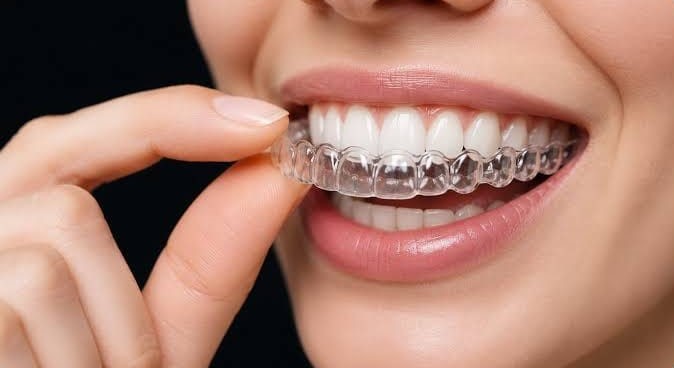
Clear Aligners / Invisalign
Nearly invisible, removable trays that gently guide teeth into place — planned digitally from your 3D scans.
Our treatments
Explore our full range of treatments. Every recommendation depends on an individual examination, diagnosis and discussion with a qualified dentist.
Find a treatment
Use the filters to narrow the list, then open any treatment for a straightforward overview.
Everyday assessment and preventive care.
02Comfort-focused local anaesthesia.
03Child-focused preventive and dental care.
04Care for selected damaged or infected teeth.
05Assessment and removal when advised.
06Consultation-led tooth replacement.
07Implants and overdentures, planned in stages.
08Braces and bite-alignment options.
09Invisalign-style clear-aligner planning.
10Laser-supported care for selected procedures.
11Thin facings to refine the front teeth.
12Professional bleaching for natural teeth.
13A planned approach to your smile.
14Scaling and polishing for healthy gums.
15Tooth-coloured repair of decay or chips.
16Caps and fixed replacements for teeth.
17Care for gum health and bleeding gums.
Treatment information
These summaries are educational and do not replace a dental examination.
A general dental visit helps the dentist understand your concern, examine your teeth and gums and discuss whether preventive or restorative care is appropriate.
Modern techniques aim to improve comfort during local anaesthesia. Individual experience varies, and the approach is discussed before treatment.
Pediatric visits can cover prevention, growth and development, oral-hygiene guidance and helping a child become familiar with dental care.
Share your child’s health history, medicines, dental concerns and any anxiety before the appointment so the visit can be planned appropriately.
Root canal treatment may be recommended to repair and save a severely damaged, decayed or infected tooth rather than remove it.
The dentist may use X-rays and local anaesthesia, clean and seal the inside of the tooth, and discuss the restoration needed afterward. The exact plan varies by case.
Wisdom teeth sometimes need to be removed when there is not enough room for them, or when they cause pain, repeated infection, decay or crowding.
An implant consultation assesses the missing-tooth area, gums, bone and neighbouring teeth before options are discussed.
Full-mouth rehabilitation is a planned approach to restoring several or all teeth — often combining treatments such as implants and overdentures — to bring back comfortable chewing and a natural appearance.
Orthodontics focuses on diagnosing and correcting tooth and bite alignment. Braces and aligners are common appliances used to guide teeth.
Your teeth, bite, age and treatment goals influence which approach may be suitable and how long it may take.
Clear aligners are a nearly invisible, removable way to move teeth. An examination and digital scan help establish whether they suit your alignment and bite needs.
Dental lasers may support selected procedures. Their usefulness depends on the condition being treated and the dentist’s clinical assessment.
Understand why a laser is being recommended, the alternatives, expected benefits, limitations and aftercare for your individual procedure.
Veneers are thin, custom-made facings bonded to the front of teeth to improve their shape, colour or the appearance of alignment. Suitability depends on your teeth and goals.
Professional whitening can lighten the shade of natural teeth. It does not suit every tooth or every kind of discolouration, so a dental check comes first.
Smile designing plans appearance-focused changes — which may combine options such as alignment, veneers or whitening. A dental assessment should always come first.
Discuss what you want to change, the available approaches, their limits, maintenance and how treatment could affect natural tooth structure.
Scaling removes hardened plaque (tartar) that brushing alone cannot, and polishing leaves teeth smooth. It is a common part of preventive care.
Tooth-coloured fillings restore a tooth affected by decay or minor damage, and bonding can reshape small chips or gaps to blend with the natural tooth.
A crown caps and protects a weak or treated tooth, while a bridge can replace one or more missing teeth by anchoring to the teeth beside the gap.
Gum (periodontal) care addresses issues such as bleeding, swelling or gum disease. The approach depends on the stage and is planned after an examination.
Sources used for general patient education: American Dental Association—Root Canals, Orthodontics, Teeth Whitening and American Academy of Pediatric Dentistry.
Technology we use
Where it genuinely helps your treatment, the clinic plans to use digital and laser-assisted technology for precise, comfortable care.
Nearly invisible, removable trays that gently guide teeth into place — planned digitally from your 3D scans.
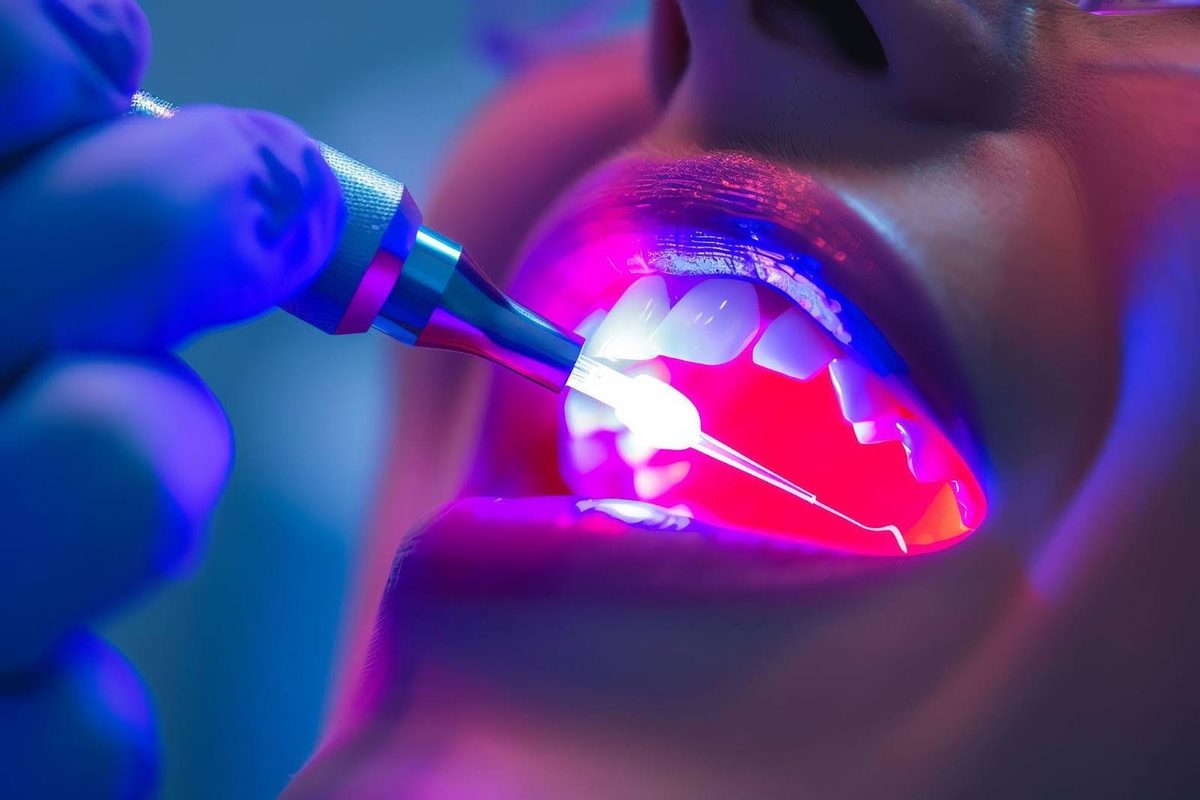
Laser-assisted care for selected gum and soft-tissue procedures, for more comfortable healing.
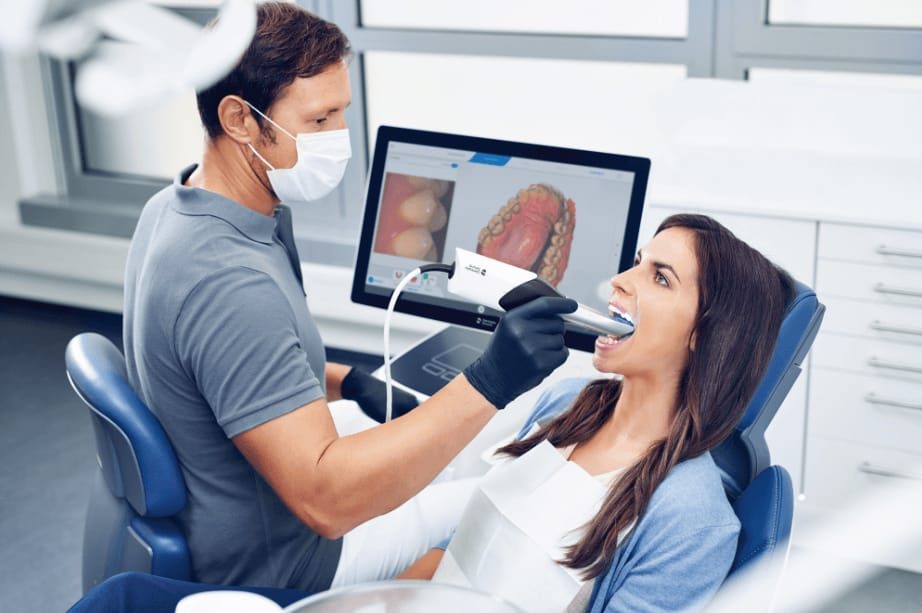
A digital intraoral scanner captures your teeth in 3D — accurate records without messy putty trays.
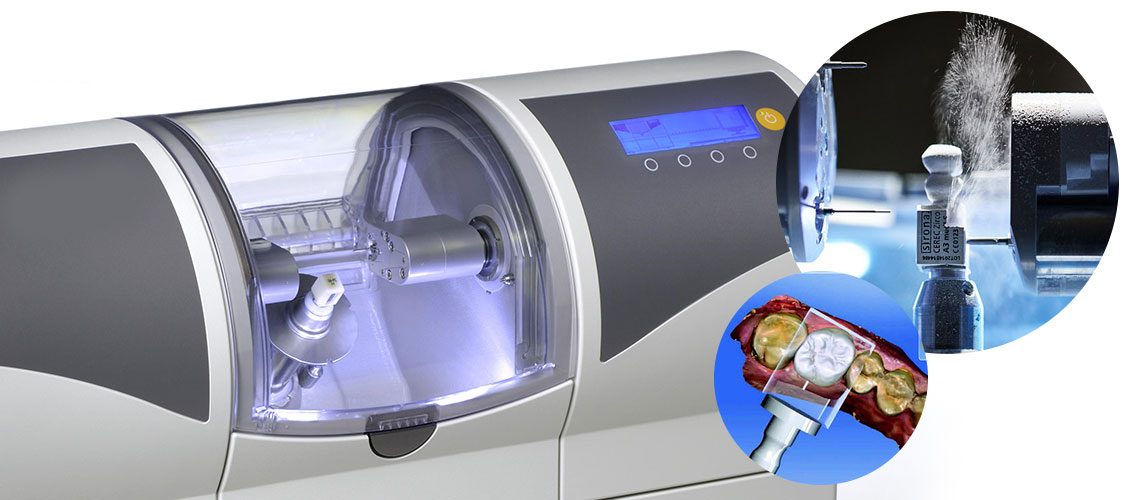
Crowns designed and milled with CAD/CAM technology for a precise, natural-looking fit.
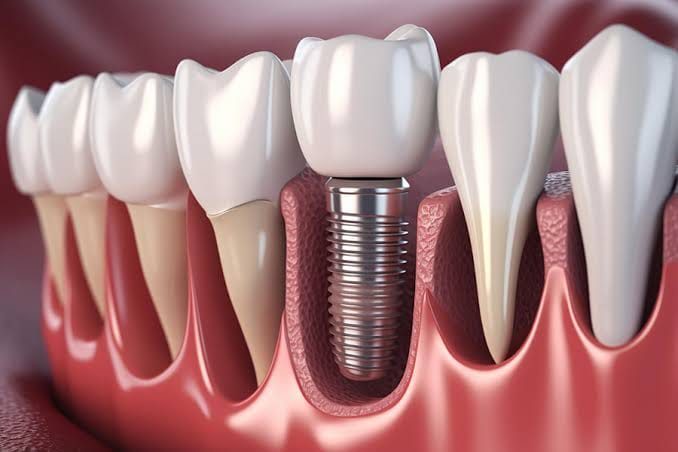
Fixed, natural-looking replacements for missing teeth, planned around your bone and bite.
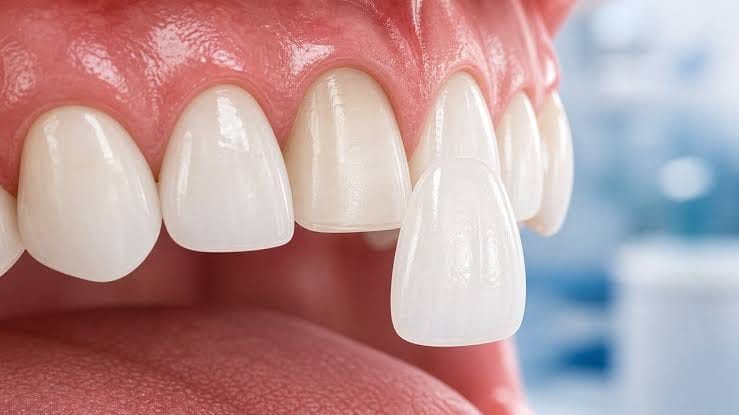
Thin, custom facings that refine the shape, colour and finish of your front teeth.
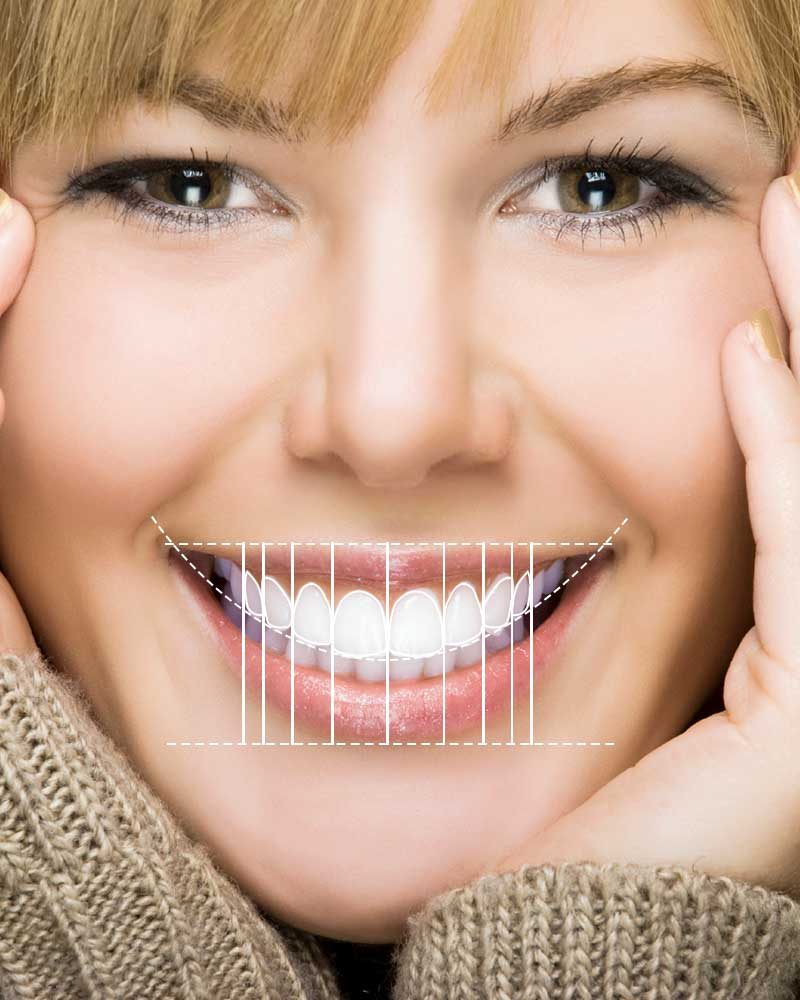
A digitally designed treatment plan, discussed with you before treatment begins.
Technology is chosen case by case. Your dentist decides what genuinely benefits your treatment after an individual assessment.
Request a general consultation and describe your concern in your own words.